
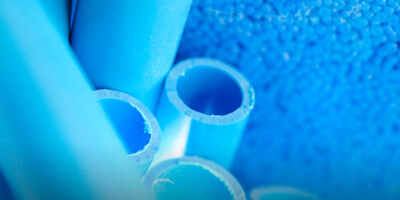
Maîtrise des variations de couleur tout au long du processus d’extrusion
Il est difficile d’obtenir une couleur régulière dans le plastique extrudé lorsque les lots de résine, le masterbatch, les pigments, les additifs, les fournisseurs, les conditions de fabrication et les propriétés des matériaux peuvent varier d’un cycle de production à l’autre. Les différences d’épaisseur de paroi, de rendu de surface, de brillance, de refroidissement et de translucidité sont également de nature à influencer l’apparence du profilé extrudé fini.
Lorsque des variations de couleur sont détectées trop tard, les fabricants peuvent être amenés à mettre au rebut ou à broyer à nouveau les matériaux, à ajuster le processus, à relancer la production ou à retarder l’expédition. Spectura et Color iQC contribuent à mettre en place un flux connecté de contrôle qualité qui aide les équipes de production à mesurer des échantillons à proximité immédiate de la ligne d’extrusion, à comparer les résultats aux standards d’approbation, à évaluer les tolérances et à consigner les performances chromatiques avant la production d’autres matériaux hors tolérances.
Le défi
- Les variations au niveau des matériaux et des fournisseurs peuvent entraîner des différences de couleur d’un tirage à l’autre.
- Les échantillons chauds risquent de fausser la colorimétrie.
- Les films, feuilles, tuyaux, profilés et tubes se déclinent en différentes formes et apparences.
- L’incohérence des méthodes donne lieu à des résultats différents selon les conducteurs et les sites.
- Une détection tardive peut entraîner une augmentation des rejets, des matières à broyer et des retards de production.
La solution
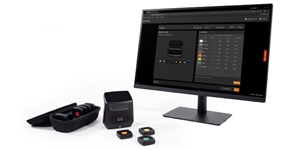
La solution connectée de Spectura, associée à Color iQC, permet de relier la colorimétrie aux décisions en matière de qualité tout au long du processus d’extrusion.
Spectura aide les équipes à détecter plus tôt les variations en recueillant des données colorimétriques et des données sur la température des échantillons à proximité de la ligne d’extrusion. Les ouvertures flexibles et le ciblage assisté par caméra permettent d’obtenir des mesures régulières, quelles que soient la forme et la surface des échantillons, tandis que la fonction de partage aide à distinguer les variations de couleur réelles des variations liées à la température.
Les résultats sont ensuite transférés vers Color iQC, où les équipes évaluent les échantillons par rapport aux standards et tolérances d’approbation, prennent des décisions régulières quant à l’acceptation ou au refus des échantillons et tiennent à jour les registres de suivi de la qualité. Le logiciel NetProfiler permet d’uniformiser les paramètres des instruments pris en charge en laboratoire, à l’atelier de production et sur les sites de fabrication.
Dans l’ensemble, cette solution aide les fabricants à réduire leur temps de réaction, à diminuer la quantité de gâches évitables et à parvenir à la régularité des couleurs d’un tirage à l’autre.
Les résultats
Spectura et Color iQC épaulent les équipes d’extrusion dans leurs activités :- détection précoce des variations de couleur ;
- application de standards et tolérances réguliers ;
- amélioration de la régularité des décisions d’acceptation ou de refus ;
- réduction du nombre de nouveaux tests liés à la température ;
- uniformisation des décisions prises en laboratoire et en production ;
- tenue à jour des registres de suivi de la qualité avec traçabilité ;
- diminution des rebuts, des matières à broyer et des retards de production.
Comment ça marche
- Le responsable du contrôle qualité définit les standards et les tolérances dans Color iQC.
- Le conducteur mesure l’extrusion à l’aide de Spectura, en ciblant correctement les échantillons et en appliquant l’ouverture et la caméra appropriées. Il peut également tenir compte des effets liés à la température grâce à la mesure de la température de l’échantillon et à la correction thermochromique.
- Un transfert de données en temps réel a lieu vers Color iQC.
- Les résultats sont évalués par rapport aux tolérances approuvées dans Color iQC.
- Les décisions sont consignées et partagées entre les équipes chargées de la qualité et de la production via Color iQC.
- Les conducteurs et les responsables du contrôle qualité doivent régulièrement caractériser Spectura à l’aide de NetProfiler afin de parvenir à l’accord inter-instrument.
Featured Products
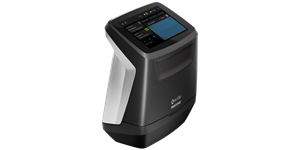
Spectura
Spectrophotomètre à sphère portable qui aide les fabricants de plastique à faire correspondre leurs mesures en production aux standards de laboratoire, à réduire les écarts entre les sites et à prendre des décisions plus rapides et plus régulières en matière de couleurs.
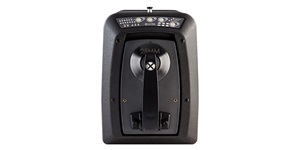
Ci7800
Permet une mesure précise sur les plastiques translucides et transparents.
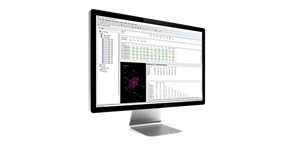
Color iQC
Logiciel de contrôle qualité qui relie les données colorimétriques à des informations exploitables sur la qualité, ce qui aide les équipes d’extrusion à parvenir à une plus grande régularité des couleurs et à accélérer les approbations.
NetProfiler
Caractérisation dans le cloud des instruments pour une mesure régulière des couleurs et une assurance qualité tout au long de la chaîne de production.
Associer contrôle fiable des couleurs et ligne d’extrusion
Spectura et Color iQC aident les fabricants de plastique extrudé à détecter plus tôt les variations et à transformer les mesures de production en décisions de qualité régulières et documentées. La correction thermochromique renforce la fiabilité lorsque les températures des échantillons varient, tandis que NetProfiler garantit l’accord inter-instrument d’un site à l’autre.
Ensemble, ils contribuent à réduire la quantité de gâches évitables et à garantir une couleur plus régulière d’un tirage à l’autre.
FAQs
Pour détecter plus tôt les variations de couleur, il faut prendre des mesures sur les échantillons à un stade précoce dans le processus de production, plutôt que d’attendre que les produits finis parviennent à l’inspection finale. En comparant les mesures aux standards d’approbation au cours de la production, les équipes sont à même de détecter les écarts avant la fabrication d’autres pièces hors tolérance, ce qui contribue à réduire le gaspillage, les remises en fabrication et les retards d’expédition.
Les fabricants peuvent améliorer le contrôle des couleurs en mesurant des échantillons tout au long du processus de production, en comparant les résultats aux standards et tolérances d’approbation et en appliquant des procédures d’évaluation régulières, indépendamment du conducteur ou du site. Un processus connecté, associant la colorimétrie à un logiciel de contrôle qualité, aide les équipes à identifier plus rapidement les problèmes, à uniformiser leurs décisions et à réduire les rebuts et les remises en fabrication inutiles.
Une mesure précise de la couleur commence par le choix de la configuration de mesure adaptée à l’échantillon à analyser. Il se peut que des films, feuilles, tuyaux, profilés et tubes présentent des variations importantes en termes de forme, d’épaisseur, de texture et d’apparence, d’où l’importance d’un positionnement régulier des échantillons. L’utilisation d’instruments de mesure objective de la couleur et de procédures normalisées permet de garantir la comparabilité fiable des résultats selon des standards de couleurs approuvés.
La température influence l’apparence et les caractéristiques des matières plastiques juste après leur fabrication. Les échantillons chauds peuvent ainsi donner des résultats différents de ceux obtenus pour un même échantillon mesuré après refroidissement, créant une source d’incertitude lors de l’évaluation des couleurs par rapport aux valeurs prescrites. Comprendre et prendre en compte les variations liées à la température aide les fabricants à prendre des décisions plus régulières en matière de qualité tout au long du processus d’extrusion.
Les variations de couleur du plastique extrudé peuvent résulter de changements au niveau des lots de résine, de la concentration du masterbatch, des pigments, des additifs, des fournisseurs et des conditions de fabrication. Les différences d’épaisseur de paroi, de rendu de surface, de brillance, de taux de refroidissement et de température sont également de nature à influencer l’apparence du produit fini. Même avec une formulation identique, les variations susceptibles de survenir au cours de la production peuvent compliquer l’obtention d’une couleur régulière d’un tirage à l’autre.