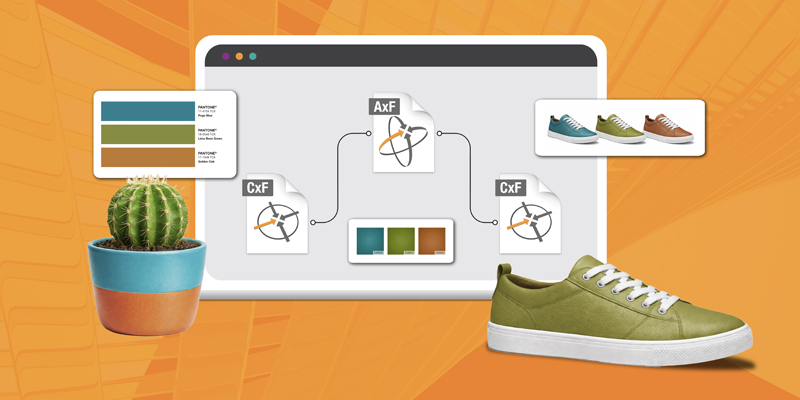
W dzisiejszej branży tekstylnej zapewnienie spójności barw i wyglądu ma kluczowe znaczenie dla reputacji marki i zadowolenia klientów. Wraz z przyspieszeniem transformacji cyfrowej, właściciele marek i dostawcy polegają na znormalizowanych formatach plików, aby precyzyjnie przekazywać dane dotyczące barwy i wyglądu w globalnych łańcuchach dostaw. Kluczową rolę w tym procesie odgrywają trzy formaty – CxF, AxF i QTX.
Czym są pliki CxF, AxF i QTX?
CxF (Color Exchange Format):
Format CxF, opracowany przez X-Rite i zgodny z normą ISO 17972, to standard branżowy cyfrowej wymiany danych dotyczących barwy. Struktura oparta na XML obejmuje dane widmowe barwy i metadane (urządzenie, źródło światła, warunki pomiaru), zapewniając dokładność barwy i kompatybilność między urządzeniami i przepływami pracy. Format CxF jest powszechnie stosowany do specyfikacji i zapewnienia zgodności barwy w branży druku, opakowań, tekstyliów i lakierów samochodowych.
Dlaczego warto wybrać format CxF? To jedyny format zgodny z normą ISO, co czyni go preferowanym wyborem dla firm, którym zależy na niezawodności i globalnej kompatybilności.
AxF (Appearance Exchange Format):
AxF to format binarny oparty na architekturze HDF5, służący do rejestrowania właściwości wyglądu złożonych materiałów, w tym połysku, przezroczystości, tekstury, anizotropii, efektów metalicznych i innych. Format AxF umożliwia tworzenie cyfrowych kopii na potrzeby realistycznej wizualizacji w przepływach pracy CAD i renderowania, wspierając wirtualne prototypowanie i współpracę z dostawcami. Choć nie jest jeszcze standardem ISO, AxF stanowi pomost między projektowaniem a kontrolą jakości, łącząc dane dotyczące wyglądu z pomiarami, co czyni go nieocenionym przy opracowywaniu produktów z tworzyw sztucznych i tekstyliów, zwłaszcza w branży motoryzacyjnej, elektroniki użytkowej i artykułów gospodarstwa domowego.
QTX (dane widmowe do kontroli jakości):
QTX jest formatem tekstowym używanym w przypadku danych odbicia spektralnego podczas dopasowywania barw i kontroli jakości. Stanowi on „cyfrowy odcisk palca” standardu barw, usprawniając obsługę próbek laboratoryjnych i kontrolę jakości produkcji przez fabryki i dostawców. Format QTX nie posiada jednak certyfikatu ISO i jest coraz częściej postrzegany jako starszy format. Większość nowoczesnych przepływów pracy preferuje obecnie format CxF ze względu na jego normalizację i kompatybilność.
Dlaczego te formaty są ważne?
- Spójność w łańcuchach dostaw:
Znormalizowane formaty, takie jak CxF i AxF, ograniczają kosztowne niedopasowanie barw i rozbieżności w wyglądzie, zapewniając zgodność produktów ze standardami marek od projektowania do produkcji. - Usprawniona współpraca:
Marki, dostawcy i producenci mogą bez obaw udostępniać dane, przyspieszając zatwierdzanie i ograniczając liczbę przeróbek. - Przyspieszona transformacja cyfrowa:
Wirtualne prototypowanie i cyfrowe biblioteki materiałów przyspieszają cykle projektowe i poprawiają wizualizację, umożliwiając szybsze wprowadzanie produktów na rynek. - Lepsza kontrola jakości:
Wiarygodne dane widmowe i dane dotyczące wyglądu wspierają solidne procesy kontroli jakości i zgodności, minimalizując błędy i przeróbki.
Szczegółowe porównanie: cechy i zastosowania
|
Cecha |
CxF |
AxF |
QTX |
|
Podstawowe zastosowanie |
Wymiana danych dotyczących barwy |
Wymiana danych dotyczących wyglądu |
Dane widmowe QC |
|
Format |
XML |
Binarny (oparty na HDF5) |
Tekstowy |
|
Przechwytywanie |
Barwa widmowa + metadane |
Właściwości materiału + metadane |
Wartości współczynnika odbicia |
|
Zalety |
Standard ISO, kompatybilność |
Cyfrowa kopia do wizualizacji |
Prosta integracja QC |
Najlepsze praktyki dla marek i dostawców tekstyliów
- Używaj formatu CxF do specyfikacji i zapewnienia zgodności barw w łańcuchach dostaw.
- Używaj formatu AxF do realistycznej wizualizacji i cyfrowych bibliotek materiałów.
- Używaj formatu QTX tylko w starszych przepływach pracy; rozważ migrację do CxF, aby zabezpieczyć się na przyszłość.
- Połącz formaty AxF i CxF, aby uzyskać kompleksowy przepływ pracy, łączący projektowanie i kontrolę jakości.
Praktyczny przykład
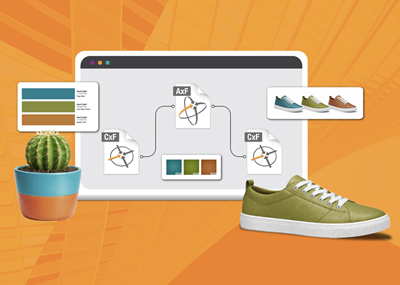
Globalna marka tekstylna projektująca nową kolekcję może wykorzystywać format CxF do określania standardów barw, AxF do cyfrowej wizualizacji materiałów w celu zatwierdzenia, a CxF do zapewnienia zgodności produkcji z zatwierdzonymi barwami. To zintegrowane podejście zmniejsza liczbę błędów, przyspiesza rozwój i zapewnia spójność od koncepcji do konsumenta.
Patrząc w przyszłość: zabezpieczenie przepływu pracy
Format QTX mógł dobrze służyć branży w przeszłości, ale dzisiejsi liderzy zmierzają w kierunku CxF i AxF, stawiając na większą dokładność, elastyczność i cyfrową transformację. Jeśli Twoja firma nadal polega na starszych typach plików, nadszedł czas, aby poznać zalety znormalizowanych, kompatybilnych formatów.
Gotowy przenieść zarządzanie barwą tekstyliów na wyższy poziom? Wprowadzając formaty plików CxF i AxF, firma może osiągnąć niezrównaną dokładność barw, usprawnić współpracę z dostawcami i przyspieszyć transformację cyfrową.
Skontaktuj się z naszymi ekspertami ds. barw już dziś, aby dowiedzieć się, w jaki sposób pełny zestaw narzędzi X-Rite do cyfrowego zarządzania barwą może pomóc Ci wdrożyć najlepsze praktyki i wyprzedzić konkurencję.