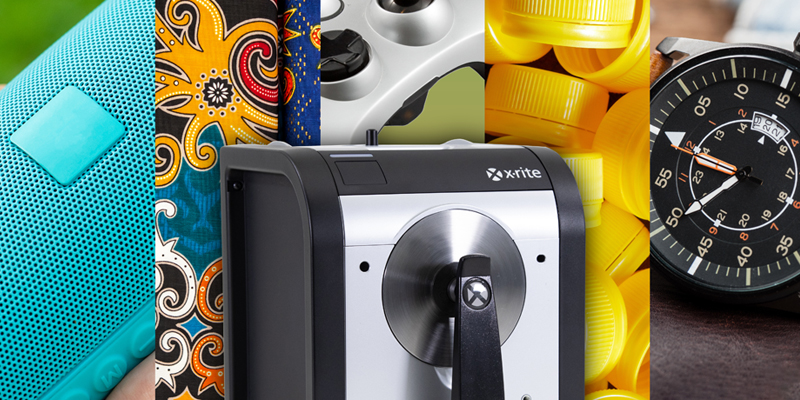
5 desafíos importantes para la medición del color de puntos pequeños que por fin podrá medir con precisión con el CiF3200
Durante años, los equipos de color de todas las industrias se han enfrentado a la misma verdad frustrante: muchos materiales modernos son sencillamente demasiado pequeños, demasiado decorados, demasiado texturados o demasiado complejos para que los espectrofotómetros tradicionales puedan medirlos con fiabilidad. Cuando sus componentes no cubren totalmente la apertura, o incluyen varios colores, patrones intrincados o superficies irregulares, sus opciones se reducen rápidamente. Muchas organizaciones vuelven a la evaluación visual, lo que ralentiza la producción e introduce subjetividad.
El CiF3200, sin embargo, cambia las reglas del juego.
Diseñado con una apertura virtual de tan solo 2mm y dotado de funciones de procesamiento de imágenes que aíslan el color de superficies complejas, el CiF3200 aporta precisión, repetibilidad y consistencia a materiales que antes eran "inmensurables". No solo captura datos del color precisos, sino que también le ayuda a comunicar estándares digitales en toda la cadena de suministro, aportando claridad donde antes la ambigüedad le frenaba.
A continuación, se presentan 5 de los mayores desafíos que el CiF3200 resuelve por fin.
- Componentes extremadamente pequeños o angostos
Piezas pequeñas, como componentes de relojes, molduras delgadas, micro plásticos moldeados y otros elementos en miniatura que a menudo no cubren la apertura de un espectrofotómetro tradicional. Esto obliga a los equipos de trabajo a confiar en comprobaciones visuales o métodos improvisados que carecen de consistencia.
El CiF3200 elimina este problema con su apertura virtual tan pequeña como 2mm, capturando datos precisos de regiones diminutas sin necesidad de una cobertura física completa.
Qué significa esto para usted:- Datos del color objetivos en lugar de comprobaciones visuales subjetivas.
- Menos mediciones repetidas e inspecciones manuales.
- Decisiones de color seguras, incluso para las piezas más pequeñas.
- Superficies multicolores o decoradas
Muchos componentes modernos, como logotipos, gráficos impresos, cuadrantes, patrones o símbolos incrustados, presentan varios colores muy próximos. La mayoría de los dispositivos calculan un promedio de colores, lo que produce resultados imprecisos o hace imposible la medición.
El CiF3200 dispone de extracción multicolor automática, lo que le permite separar colores individuales de una misma superficie y evaluarlos por separado. Incluso puede detectar y medir regiones de color más pequeñas que la apertura virtual de 2mm.
Qué significa esto para usted:- Medición precisa de ilustraciones, patrones o iconos complejos.
- Garantiza la armonía del color a través de elementos múltiples.
- Mejora el control de calidad de los componentes decorados.
- Materiales muy texturados, en malla o tejidos
La textura ha sido durante mucho tiempo un obstáculo para la medición. Las superficies elevadas, los granos profundos, las perforaciones, los tejidos y las mallas impiden un contacto consistente y alteran la lectura de los colores.
Con su medición espectral basada en imágenes, el CiF3200 captura el color a través de texturas irregulares, estabilizando los resultados donde los instrumentos tradicionales tienen dificultades.
Qué significa esto para usted:- Medición precisa de superficies antes consideradas "demasiado difíciles".
- Datos fiables independientemente de la variación de textura.
- Control de calidad consistente en materiales tejidos, estampados, moldeados o repujados.
- Geometría de forma extraña o irregular
Los componentes curvos, las perillas, las piezas contorneadas y las piezas con formas irregulares plantean problemas de alineación. Si la muestra no queda al ras, la calidad de la medición disminuye.
El CiF3200 lo resuelve con toma de imágenes, orientación digital en pantalla y posicionamiento preciso de la muestra, lo que garantiza una alineación precisa sin necesidad de una cobertura perfecta.
Qué significa esto para usted:- Mejor control sobre geometrías difíciles.
- Menos reprocesamiento y menos mediciones no válidas.
- Menor dependencia de la técnica del operario.
- Áreas pequeñas que necesitan estándares digitales y alineación de proveedores
Las cadenas de suministro globales dependen de estándares objetivos compartidos. Pero cuando el componente es diminuto o muy complejo, no se pueden crear estándares digitales fiables ni comunicarlos de forma consistente.
El CiF3200 permite capturar imágenes de alta calidad y generar estándares de color digitales a partir de componentes pequeños, lo que permite a los proveedores trabajar con expectativas precisas.
Qué significa esto para usted:- Datos de color objetivos para los componentes más pequeños.
- Mayor comunicación con los proveedores.
- Menos disparidades de color costosas.
Cómo el CiF3200 mejora su flujo de trabajo
Además de resolver estas barreras de medición, el CiF3200 aporta ventajas al flujo de trabajo que modernizan sus procesos de control de calidad:
- La orientación digital en pantalla reduce el reprocesamiento al garantizar el posicionamiento correcto antes de capturar los datos.
- Las imágenes de muestra guardadas proporcionan un registro visual claro para auditorías o validaciones futuras.
- La perfecta integración con Color iQC garantiza que sus datos de color se traspasen directamente a su flujo de trabajo de control de calidad.
Juntas, estas capacidades ayudan a los equipos de trabajo a medir con confianza materiales que históricamente han sido difíciles, lentos o imposibles de evaluar utilizando instrumentos de mesa tradicionales.
Tanto si trabaja con estampados finos, piezas pequeñas, materiales texturizados o superficies decoradas, el CiF3200 le ofrece la precisión y versatilidad que necesita para realizar mediciones del color de puntos pequeños y medir lo que antes parecía imposible.
Para obtener más información, visite https://www.xrite.com/contact-us para hablar con nuestros expertos en color.